

On Saturday 14 November, the One Bangkok Forum in Bangkok, Thailand, becomes the centre of Asian music as it hosts the first edition of the Eurovision Song Contest Asia.
With Woody Milintachinda and Cindy Bishop as hosts, it is a historic event bringing together 11 countries (Bangladesh, Bhutan, Cambodia, Laos, Malaysia, Mongolia, Nepal, the Philippines, South Korea, Thailand and Vietnam) in a competition that aims to carry the spirit of the Eurovision format to Asia while showcasing the continent’s cultural, linguistic and musical diversity.
With acts spanning different styles, backgrounds and artistic approaches, this first edition sets out to become an international showcase for new voices and sounds from one of the most diverse regions in the world.
Ahead of this new celebration of Asian music, we take a closer look at the careers of the contenders in a series of profiles dedicated to each participant: their origins, their musical careers, their biggest hits and the stories behind each entry. 11 countries, 11 songs and one stage: Bangkok, where a new chapter in the history of international song contests is about to begin.
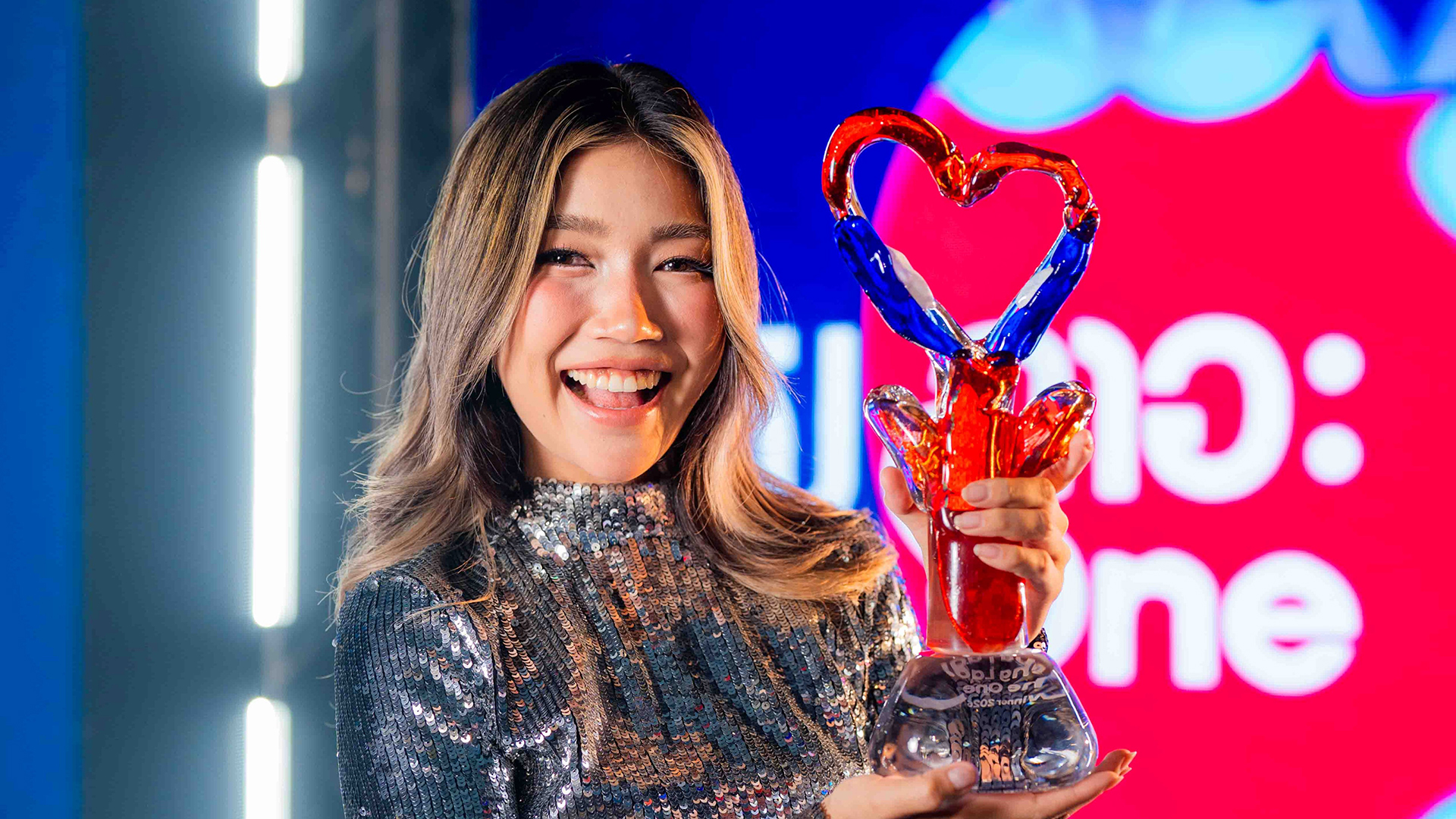
This time we meet Thinla, who represents Laos at the Eurovision Song Contest Asia 2026 with “BAE”.
Meet Thinla: the Lao voice blending tradition and modernity
Thinlamphone Mahavong (ທິນລຳພອນ ມະຫາວົງ), known professionally as Thinla, is a Lao singer and songwriter who has become one of the leading figures in her country’s contemporary music.
Her music combines the traditional sounds of mor lam with pop, R&B and dance influences, an identity of her own through which she aims to bring the cultural heritage of Laos to new audiences. In 2026 she takes on one of the biggest challenges of her career: representing her country at the first edition of the Eurovision Song Contest Asia with “BAE”.
Origins and artistic training
Thinlamphone Mahavong was born in Khong district, in Champasak province in southern Laos, a region known for its natural and cultural richness, close to the border with Cambodia. In 2006, while still a child, she moved with her family to Vientiane, the capital, where her academic and artistic education began.
She showed an interest in music and the performing arts from an early age. To hone her skills, she studied singing, khap-lam (a traditional Lao vocal form) and dance at the National School of Arts in Vientiane. That training proved essential in shaping her later artistic personality, grounded in her country’s musical traditions and open to experimenting with contemporary sounds.
Her connection with traditional music was never purely academic. Over the years Thinla turned that knowledge into one of the most recognisable features of her repertoire, using the cultural roots of Laos as a starting point for songs that connect with listeners of different generations.
First steps in the music industry
Thinla began her professional career in 2015 after signing with Nakhar Media. In this first period she used the stage name Dork Ya Thinlamphone (ດອກຫຍ້າ ຖິ່ນລຳພອນ), under which she released her early work.
Her debut came that same year with “Nong Tai Si Hai Num Bor” (ນ້ອງຕາຍສິໄຫ້ນຳບ່), a song that made a real impact with Lao audiences. It reached nearly 15 million views on YouTube, a remarkable figure for an artist taking her first steps in the industry.
The success of that first release helped her gain popularity quickly and start performing live. Between 2016 and 2017 she toured Laos and Thailand, expanding her presence in Southeast Asia and getting used to bigger stages and more varied audiences.
In those years she released songs such as “Ba Pu Sok Ha Faen” (ບະປູຊອກຫາແຟນ), along with other tracks that helped cement her place on the national scene. In 2018 she also released “Jep La No (Cover)” (ເຈັບລະເນາະ), while continuing to develop her style and explore new ways of performing.
One of the first major accolades of her career came in November 2018, when she took part in the Chinese Singing Competition in Vientiane. Representing Laos, Thinla won first place in a contest featuring performers of both Chinese and Lao music.
In 2019 she began a creative partnership with Lao musician and producer Zamio P. Together they released “Na Na Na” (ນາ ນາ ນາ), their first collaboration and the start of a working relationship that would continue in the years that followed.
The same period saw the end of her contract with Nakhar Media, around 2018-2019, and a search for greater independence and artistic growth.
In January 2020 came another international accolade: Thinla finished second at the Hạ Long International Music Festival (HALOMUS) in Vietnam. The result raised her profile beyond Laos and showed she could compete at international music events.
Thinla’s breakthrough and international reach
From 2022, Thinla entered a new professional phase marked by more musical experimentation and a growing international presence.
In May that year she teamed up again with Zamio P and the artist Anon on “All Day All Night”, a track that typifies her approach of combining traditional Lao music with contemporary structures and sounds. It features instrumental elements from the country’s musical culture, including the phin, a traditional string instrument of the region.
The song sums up Thinla‘s musical philosophy: keeping the cultural roots of Laos alive while embracing what current styles have to offer. Her music pairs traditional melodies and references with pop rhythms, electronic beats, R&B and danceable sounds.
In September 2022, Thinla and Zamio P represented Laos at the AXEAN Music Showcase Festival in Singapore, a new opportunity to present Lao music to industry professionals and audiences from other Asian countries.
Her profile kept growing in 2023. In March she performed at Sabaidee Fest in Norco, California, an event devoted to Southeast Asian culture and music, which brought her repertoire to the Lao community in North America and to other audiences interested in the region’s music.
In these years she also took part in major institutional and cultural events, including the ceremonies of the 44th and 45th ASEAN (Association of Southeast Asian Nations) summits and events linked to the 45th ASEAN Inter-Parliamentary Assembly (AIPA), performing her music in front of representatives and leaders from several countries.
In 2024 she received the Culture Integration Artist award at the Asia Top Awards, recognising her contribution to cultural outreach and integration through music.
That same year she represented Laos at the Round Festival, held in July in Busan, South Korea. The event, focused on cultural exchange between Asian countries, once again placed Thinla among the artists carrying Lao musical identity abroad.
Her catalogue continued to grow with releases such as “Sound of Laos”, with Zamio P, and songs including “Gravity”, “Chintanakan” and “Yakmi Khuaamhak”, in which she kept exploring different musical registers.
In 2025 she released the maxi-single Ten, featuring three songs: “Simply Me”, “Endowed” and “Falling Apart”. She also kept collaborating with other artists, including Zamio P, Nutdao and Phoenix Boii, and stepped up her activity on international stages.
2026: Eurovision Asia and the challenge of representing Laos
On 13 September 2026 it was officially announced that Thinla would represent Laos at the first edition of the Eurovision Song Contest Asia. She was selected internally by Lao broadcaster VTE9, which opted for a performer with international experience and music closely tied to the country’s cultural identity.
The song, however, was chosen differently. Thinla put forward three candidate songs: “BAE”, “Star” and “Water”, released on the maxi-single EuroVibes. All three competed in Sieng Lao: The One, the national selection show organised by the Lao broadcaster.
The first show took place on 23 September, with performances of the three songs and the opening of voting. International viewers could take part through the platform set up by the organisers. A day later, on 24 September, the results were announced: “BAE” was the winning song and will carry the colours of Laos in Bangkok.
The choice of “BAE” is a particularly significant moment for the singer, as it becomes the first song ever to officially represent Laos at the Asian contest. Thinla will have the chance to present her music to an international audience and put Laos on the map of a competition that aims to bring together the continent’s different cultures and music scenes.
An ambassador for Lao music
Beyond Eurovision, Thinla represents a generation of Asian artists seeking to combine tradition with new musical trends. Her career shows that traditional sounds can sit alongside modern production and find their place in an increasingly global industry.
Her mix of mor lam, pop, R&B and dance music is one of the hallmarks of her work. Through her songs, collaborations and international performances, she aims to raise the profile of Laos’s musical heritage and help other artists from her country reach international stages.
With more than a decade behind her since her first releases, international awards and performances at major cultural events, Thinla arrives at Eurovision Asia at one of the most important moments of her career.
In Bangkok she will not just be performing a song: she will also carry the responsibility of representing the musical diversity of a country whose scene is still seeking wider international recognition. With “BAE”, Thinla hopes to turn that opportunity into a showcase for Lao culture and to show that tradition and modernity can share the same stage.
“BAE”: Thinla’s entry for Laos at Eurovision Asia 2026
Thinla represents Laos at the Eurovision Song Contest Asia 2026 with “BAE”, the colloquial English term of endearment derived from “baby” or “babe”. The song mixes English and Lao, and was written by Thinlamphone Mahavong herself together with DonutDropIt, Johan Gustafsson, Rebbi James and Sam Intharaphithak.
“BAE” tells a story of attraction, desire and flirtation between two people who feel a strong connection from the moment they first see each other. The lyrics describe how the narrator is captivated by the other person, especially by the way they dance, their moves and the chemistry between them.
Throughout the song she describes how she cannot control what she feels when that person is near. Her body and emotions react to their presence, reflecting an attraction that is both physical and emotional. The word “bae” is repeated again and again as an affectionate way to address someone special, a partner or a romantic interest.
Another key element is her repeated question of whether she can call that person “bae”, even if only for one night. It points to a wish to share a special moment, not necessarily a serious or lasting relationship. The song also conveys spontaneity, fun and a desire to enjoy the present, letting the connection flow without too many worries.
Lines such as “Look in my eyes” express the wish for a closer connection and to find out whether the other person feels the same. It is not only about admiring their looks or the way they dance, but about seeking an answer to that mutual attraction.
In short, “BAE” is a song about the thrill of being attracted to someone, the chemistry that can spark in a chance encounter and the desire to share an intimate, playful moment. Its message centres on flirtation, passion and the excitement of getting closer to someone special, without limits or overly serious expectations. It captures that mix of excitement and nerves when you like someone and want to find out whether the feeling is mutual.
Lyrics of “BAE” by Thinla, Laos’s entry at Eurovision Asia 2026
English / Lao (original)
I come alive when I see ya
And I don’t think twice ’cause I know that I need ya
And the way that you’re moving your hips, I can’t control
My body, my body don’t lie every time I see ya
Look in my eyes, don’t be surprised
Burning up until midnight
ມີເຈົ້າຂ້າງກາຍ, can I call you mine?
Just for a night
Tell me can I call you bae, bae, bae, bae, bae, bae, bae, bae, bae, bae, bae?
Can I call you bae, bae, bae, bae, bae, bae, bae, bae, bae?
Anything you want, you can make a wish
We can make it fun, I’ll give you a kiss
You’re so bae, bae, bae, bae, bae, bae, bae, my bae
Tell me how to get slow
I’m attracted by the way
That you can dance though
It’s the way that we ride, way that we touch
Lay down, lay down, baby, now let’s go
Na na let go
No, no, angel
If I lose you, say so
Hey now, wait now
Look in my eyes, don’t be surprised
Burning up until midnight
Is this alright, if I call you mine?
Just for a night
Tell me can I call you bae, bae, bae, bae, bae, bae, bae, bae, bae, bae, bae?
Can I call you bae, bae, bae, bae, bae, bae, bae, bae, bae?
Anything you want, you can make a wish
We can make it fun, I’ll give you a kiss
You’re so bae, bae, bae, bae, bae, bae, bae, my bae
Tell me can I call you bae, bae, bae, bae, bae, bae, bae, bae, bae, bae, bae?
Can I call you bae, bae, bae, bae, bae, bae, bae, bae, bae?
Anything you want, you can make a wish
We can make it fun, I’ll give you a kiss
You’re so bae, bae, bae, bae, bae, bae, bae, my bae
English / Transliteration
I come alive when I see ya
And I don’t think twice ’cause I know that I need ya
And the way that you’re moving your hips, I can’t control
My body, my body don’t lie every time I see ya
Look in my eyes, don’t be surprised
Burning up until midnight
Mī chao khāng kāi, can I call you mine?
Just for a night
Tell me can I call you bae, bae, bae, bae, bae, bae, bae, bae, bae, bae, bae?
Can I call you bae, bae, bae, bae, bae, bae, bae, bae, bae?
Anything you want, you can make a wish
We can make it fun, I’ll give you a kiss
You’re so bae, bae, bae, bae, bae, bae, bae, my bae
Tell me how to get slow
I’m attracted by the way
That you can dance though
It’s the way that we ride, way that we touch
Lay down, lay down, baby, now let’s go
Na na let go
No, no, angel
If I lose you, say so
Hey now, wait now
Look in my eyes, don’t be surprised
Burning up until midnight
Is this alright, if I call you mine?
Just for a night
Tell me can I call you bae, bae, bae, bae, bae, bae, bae, bae, bae, bae, bae?
Can I call you bae, bae, bae, bae, bae, bae, bae, bae, bae?
Anything you want, you can make a wish
We can make it fun, I’ll give you a kiss
You’re so bae, bae, bae, bae, bae, bae, bae, my bae
Tell me can I call you bae, bae, bae, bae, bae, bae, bae, bae, bae, bae, bae?
Can I call you bae, bae, bae, bae, bae, bae, bae, bae, bae?
Anything you want, you can make a wish
We can make it fun, I’ll give you a kiss
You’re so bae, bae, bae, bae, bae, bae, bae, my bae
The only line in Lao, “ມີເຈົ້າຂ້າງກາຍ” (“Mī chao khāng kāi”), means “With you by my side” (unofficial translation).
Listen to all the songs of the Eurovision Song Contest Asia 2026 in the ESCplus playlist on Spotify:
How Thinla won her ticket to Eurovision Asia 2026: internal selection and a song chosen at Sieng Lao: The One
Thinla, previously known as Thinlamphone, represents Laos at the first Eurovision Song Contest Asia after being selected internally by Lao broadcaster VTE9. Her song, “BAE”, was then chosen in the national selection Sieng Lao: The One.
Her selection was announced on 13 September, while the choice of song was left to the public and a jury. She presented three original songs, “BAE”, “Star” and “Water”, all previously released on streaming platforms.
The selection ran over two consecutive shows on Wednesday 23 and Thursday 24 September. The first was devoted to the live performances, with the results revealed the following day. The programme was hosted by Tot Lina, presenting in English, and Lanny Pno, presenting in Lao.
The voting system combined three sources: a professional jury worth 40%, the Lao televote, another 40%, and an international online vote making up the remaining 20%. The jury consisted of three figures from the Lao music industry: Ola Blackeyes, rock singer, guitarist and vocal coach; Athisack Ratanavong, known as Sack Cells, lead singer of the band Cells; and BabyMax, an artist from the local music scene.
Viewers could vote for 24 hours via the official ZOOP platform and the official Eurovision Song Contest Asia website. In the end, “BAE” took the win, ahead of “Star” in second place and “Water” in third.